Dueling and the code of honor
Eugene OneginIn Eugene Oneguine, dueling and the code of honor form an informal system of social judgment: an insult becomes a demand for action, and a dispute governed by reputation proceeds toward a lethal test. The duel between Eugene Oneguine and Vladimir Lenski shows how this code converts wounded feeling and public expectations into formal procedure, while the surrounding narrative makes visible the anger, vengeance, and rigid attention to method that the ritual cannot resolve.
Honor as social pressure
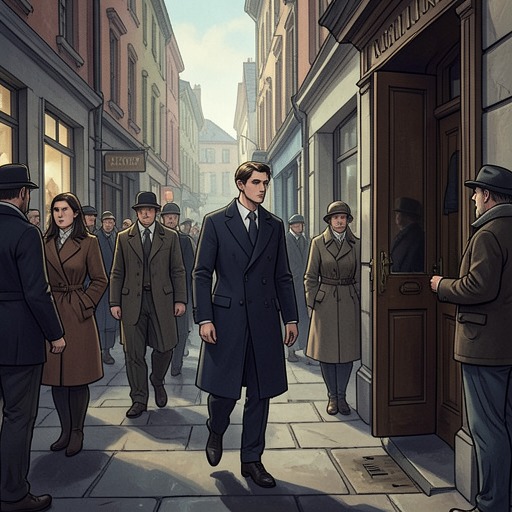
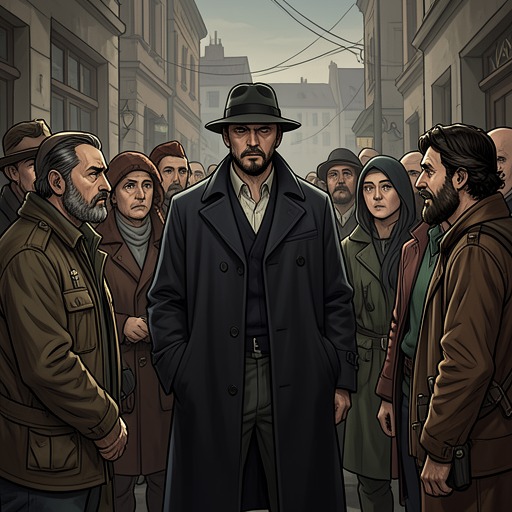
The code operates in a world where reputation is collective currency. When the narrative considers what more is required for a young man to be accepted as charming and wise, the answer comes from the world itself. That verdict points to a society in which approval is not merely private: how a person appears to others helps define his standing. Ridicule and calumny consequently carry force beyond the words themselves. Disdain might seem an adequate response to idle jeers, yet the possibility that fools will continue their slanders keeps the pressure of public opinion in view.
The novel sets this informal authority beside other arrangements that organize social life. On Oneguine’s estate, the old barshchina is replaced by the more indulgent obrok; at a household gathering, servants wait on guests according to rank as settled by the state. These details show distinct forms of obligation at work: estate management can be altered, rank orders everyday service, and dueling custom constrains how affronts are answered. The code of honor belongs to social practice rather than to the estate’s economic arrangements or the state’s ranking of service, but it too directs conduct through expectations that individuals cannot casually ignore.
From grievance to challenge
The decisive quarrel develops out of Lenski’s response to the fête. Having seen Oneguine with Olga, Lenski departs, curses womankind, orders his horse, and gallops home. The abrupt movement from offended feeling to action gives the grievance a physical momentum: he does not remain to settle his anger in conversation, but leaves the gathering with the dispute still active. The pistols and bullets then appear as the stark means by which that unresolved conflict will be decided.
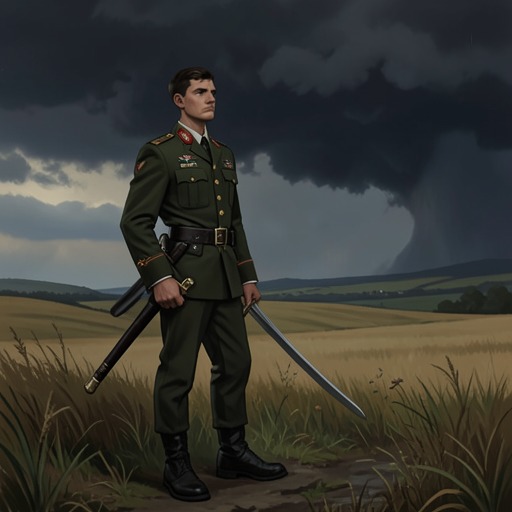
The account makes the material stakes unusually plain. Lenski’s fate is to be decided by two pistols and a pair of bullets, with nothing else required. The compressed inventory strips away any protective abstraction: the code may surround the encounter with conventions, but its instruments are weapons, and its possible outcome is death. The duel is thus at once a social procedure and a direct physical threat.
Procedure and its contradictions
Zaretski insists that method be observed. When he notices that Oneguine has left his second behind, he protests the omission; he is described as a duelist of a classical cast who loves method and would not have a man slain without it. His objection does not oppose the duel itself. It demands that the encounter conform to its rules, revealing how procedural correctness can function as a separate obligation within a fatal confrontation.
That insistence exposes a tension at the heart of the code. A second and a prescribed method are meant to regulate the encounter, yet the regulation does not remove the danger that the men will kill one another. The scene presents procedure as a form of order imposed on violence, not as an alternative to violence. Zaretski’s attention to the missing second makes the rules legible precisely when their consequences are most serious.
Vengeance, consequence, and significance
The narrative refuses to let the duel’s formal frame obscure the emotions driving it. After noticing Lenski’s flight, Oneguine stands beside Olga, dejected yet satisfied that his vengeance has been taken. The conjunction is unsettling: satisfaction at revenge coexists with visible dejection, suggesting that fulfilling the social and personal demand has not brought uncomplicated triumph. Olga, meanwhile, begins to long for Lenski and searches for him with her eyes. The scene places the duel’s impending cost alongside the immediate evidence of attachment it has disrupted.
Dueling and the code of honor therefore govern more than the mechanics of an encounter. They connect public ridicule and reputation to private resentment, turn an impulsive departure into a lethal decision, and preserve ritual method without ensuring humane judgment or safety. In the conflict between Oneguine and Lenski, honor’s social logic can make the duel appear required even as the two pistols reveal what that requirement may cost.